

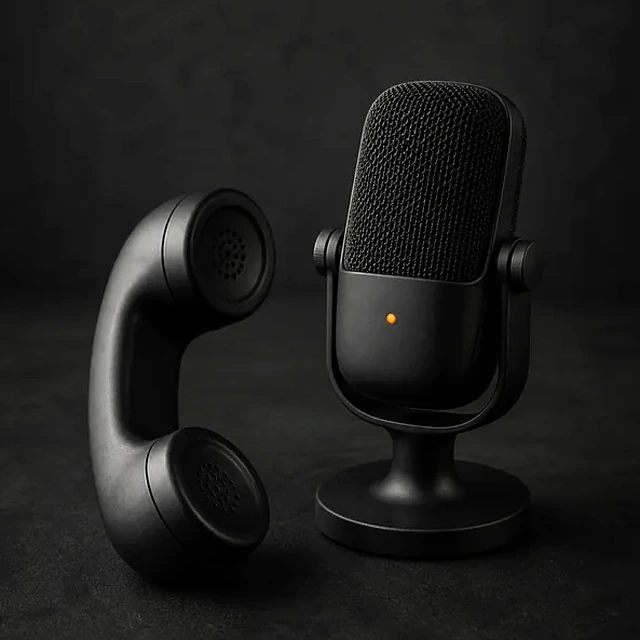

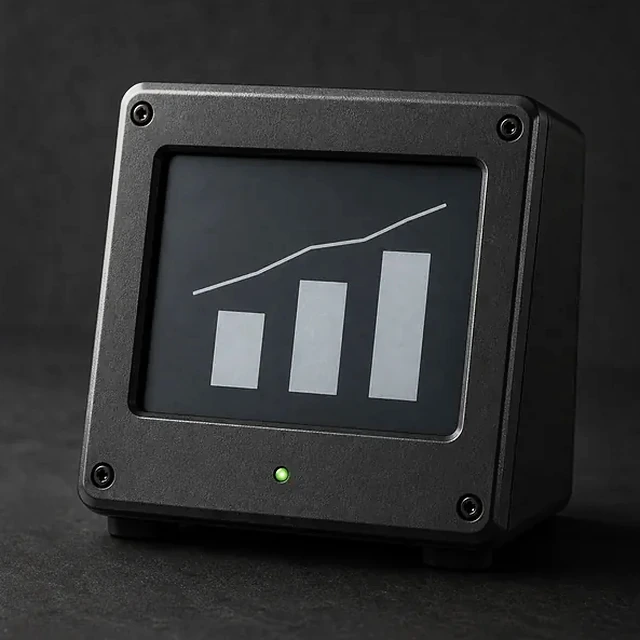
Voice
AI voice agents
Phone agents that answer, triage, book, route, and hand off with sub-800ms production latency and compliance-aware controls.
Philippines-built · 15+ production systems
AutonoIQ builds AI that takes in the work, acts on it, and stays monitored in production.
An AI automation agency from the Philippines, building custom AI systems for growing businesses — from Main Street to enterprise. Whatever your team still does by hand — answering calls, routing support tickets, chasing invoices, moving data between tools — we build the AI agents, workflows, and software that do it for you.
Built to connect with the stack you already use

 Anthropic
 n8n
n8n


[ 01 ] How it works
AutonoIQ is an AI automation agency. The simplest version of what we do: find the work your team repeats, build the system that handles it, then keep that system reliable in production — whether you run a two-person shop or a two-hundred-person operation.

01 Diagnose
We map one real workflow, quantify the cost of the status quo, and write the engineering brief before recommending technology.
02 Build
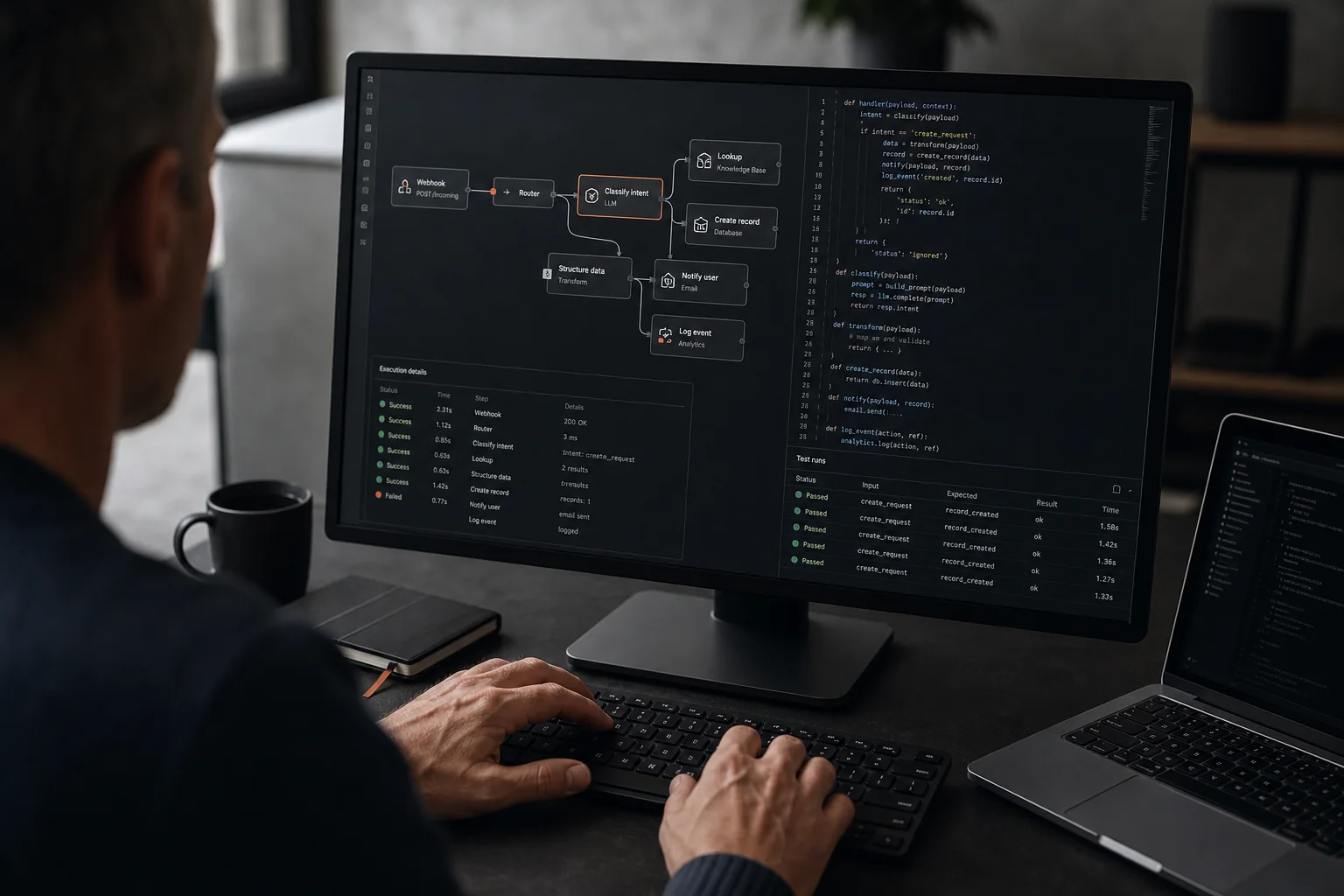
Senior engineers wire AI agents, voice systems, automations, dashboards, and internal tools into your software. Weekly demos and tests keep the system visible and reliable.
03 Operate
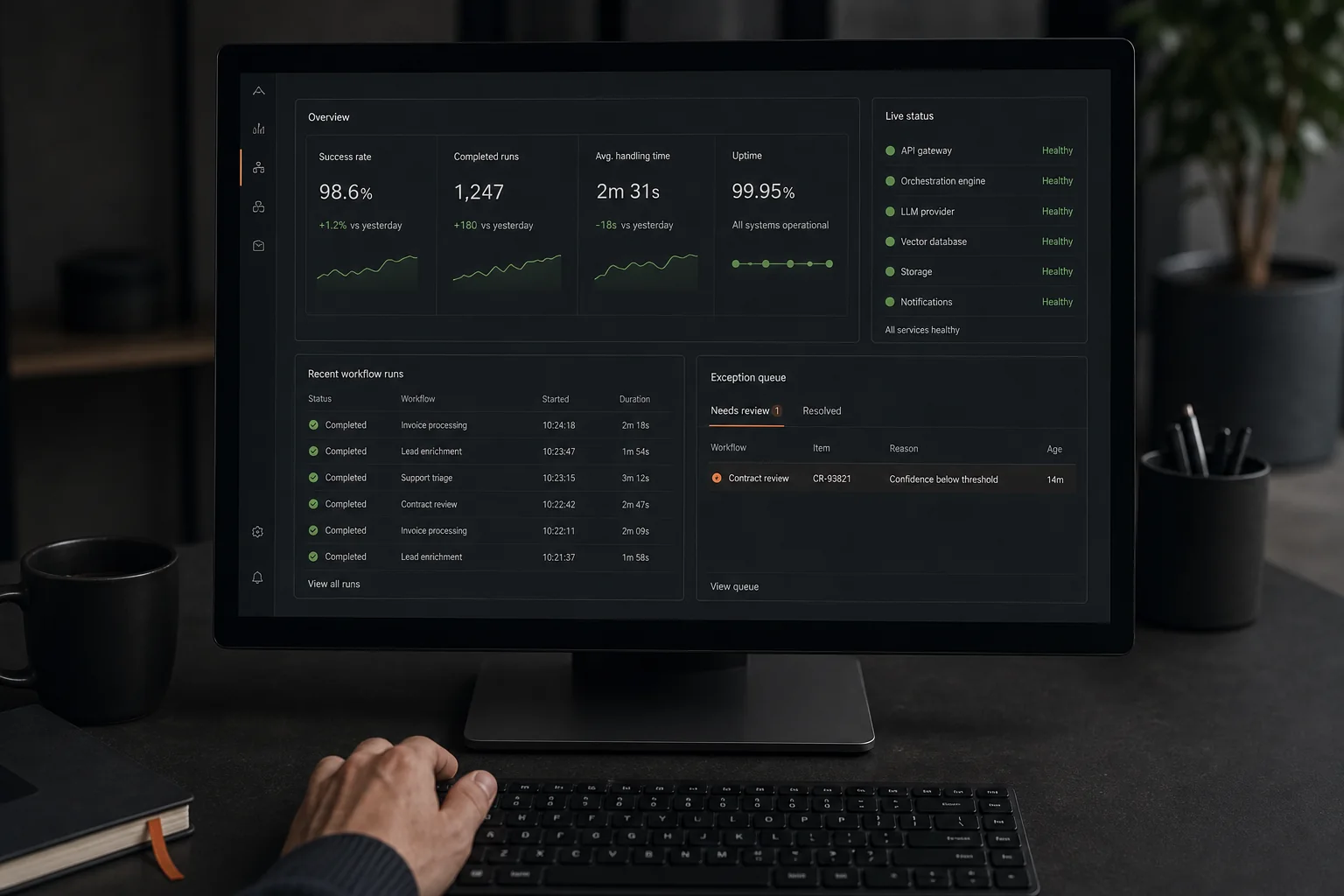
We stage the rollout, instrument it from day one, then monitor and improve what ships. You own the code, data, documentation, and operating knowledge.
[ 02 ] What we build
Most businesses do not need another dashboard. They need the work between calls, forms, documents, spreadsheets, calendars, and CRMs to move without human babysitting. See every solution we build and how engagements are priced.
Voice
Phone agents that answer, triage, book, route, and hand off with sub-800ms production latency and compliance-aware controls.
Ops
Back-office pipelines for intake, scheduling, reporting, content operations, and document and data-entry processing that run with logs and retries.
Software
Multi-tenant SaaS, portals, dashboards, and internal tools with hardened auth, row-level security, payments, and realtime collaboration.
LLM
Document intelligence, vision validation, RAG knowledge systems, and autonomous content engines with quality gates.
[ 03 ] Ship log
A changelog for actual operational work: platforms, agents, pipelines, and the pieces that keep them accountable.
Live / PropTech venture
An accounting core a CPA can audit — built in months, not years.
Live / Voice operations
Every 2 a.m. call answered. Emergencies dispatched, the rest becomes a clean ticket by morning.
Live / Campaign platform
Regulator-ready raffles: every entry verified, every draw provable.
[ 04 ] Proudly from the Philippines
The Philippines has run the world’s operations for two decades. We bring that discipline to AI engineering — for clients in the US, Australia, the UK, Southeast Asia, and anywhere else business gets done.
01
You work directly with the people who write the tests, ship the code, and run it in production. No account managers, no handoffs, no juniors learning on your budget.
02
Clear, professional English and real working-hour overlap with the US, Australia, and the UK. You get answers inside your day — not the next one.
03
For twenty years, the Philippines has powered global support and operations for the world’s largest companies. AutonoIQ is that reliability, evolved into AI engineering.
04
A senior studio here runs without the cost structure of a US or Australian agency. The savings are real — and the engineering standard, not the price, is the point.
[ 05 ] Find the opportunity
Start with the economics
Start with one workflow. The intake asks the right questions and turns your answers into an engineering brief a senior builder can review. Want the math first? Read how we calculate automation ROI.
[ 06 ] Practical answers
The right first project is usually smaller, more measurable, and less risky than people expect.